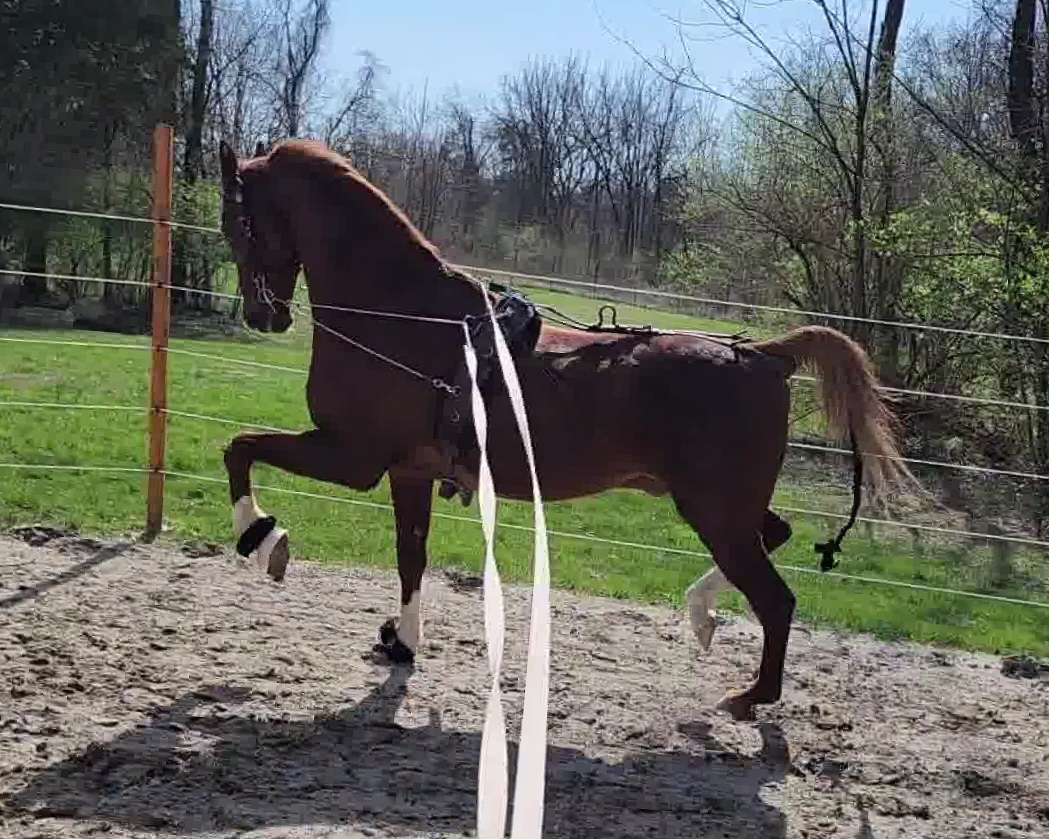
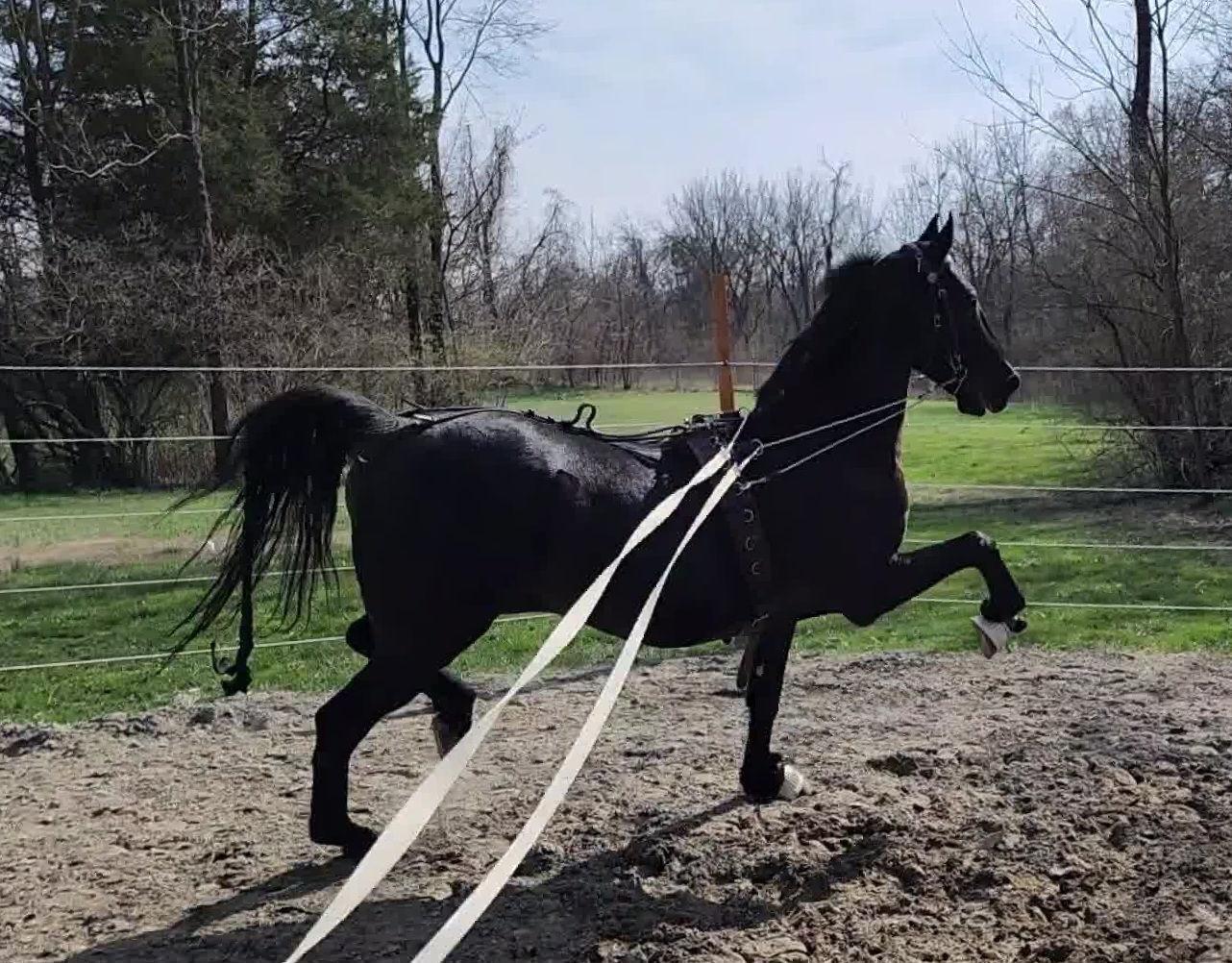
horseback riding

Cavallo Hoof Boots – UPDATE!

If you’ve been following us for a while, you may have seen our Cavallo Simple Boots: An Initial Review back in 2016 when we got our first pair of hoof boots for Fizz. We have been a customer of Cavallo, Inc and a buyer of their products since! I have not ventured out to other brands because I have been happy with these so I really haven’t needed to.  Cavallo is now offering their customers incentives for referring others to their brand.  Since I am still a user of and believer in their product, I signed up for my own link to the incentive program!  As a benefit, if you purchase from my link, you get 20% off your purchase! Just click here: Referral Program Link

Fizz and Duke both have their own sets of 4 cavallos to wear when they are barefoot. While we don’t typically turn them out wearing them or work them in the round pen using the boots because the ground is usually pretty decent and the round pen sand is soft, there are times when we choose to use them consistently. We do always use them on any unshod foot when trail riding to protect their feet from this kind of disaster that happened a few years ago to Duke while trail riding with no protection on his rear feet.
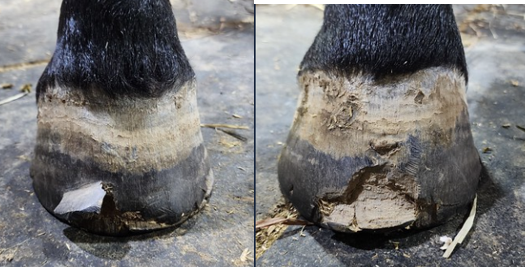
After the above happened, that’s when both boys got new sets of cavallos for their rear feet. Duke’s “sports” when they were brand new!
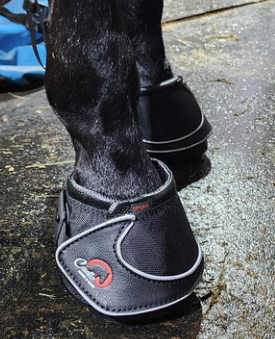
A few weeks ago, we had a massive snow storm, followed by a massive ice storm, followed by more snow, and then it was frigid temps for several weeks following that. There was jagged ice everywhere, but I couldn’t bring myself to make the boys stay inside because I was scared for their safety. During this time, I opted to let the boys wear their cavallos on their front feet to protect them where they put the most weight and my hope was the treads on the boots would give them more/better traction and the pads would offer them some comfort/support on the hard surface. Incase you didn’t know, a horse carries approximately 60% of it’s body weight on the front feet.

Both boys have different setups and sizes. Fizz wears simple boots on the front and treks on the rear. Duke wears simple boots on the front and sports on the rear. Overall, I like the trek and sport closures better, but I bought the simple boots first and have not really had a reason to change them out. When (if) these things ever wear out (so far they’ve been really sturdy!) I will likely get treks or sports for their fronts as well, only because I think the closures are easier than the simple boots. You can see the differences in the image below. The treks are my personal favorite of these 3 if I’m being completely honest.

I also want to note, we have used them both barefoot and over shoes. You may need different sizing for either type of application (barefoot/over shoes) so make sure to measure to be safe before ordering. Fizz especially likes to be a wild man and he will overreach and clip his front shoes with his rear feet and bend/loosen/rip off his front shoes and he has damaged his heels this way too. If I notice a shoe is loose, bent, or otherwise in danger of getting ripped off in any way, I will stick his cavallos on to protect his feet and the shoes until the farrier can come fix the shoe. If you do this, make sure to put them on both sides (left and right) so the horse is able to stand/travel evenly. Just fronts or just rears should be OK as long as there is one on the left and right side on the same “end” of the horse so they don’t have to stand crooked. This should be common sense, but you know, sometimes we don’t think of things and just get in a rush to put a bandaid on something because, horses, so I feel like it’s worth mentioning. In instances where he has lost a shoe, I just add a few pad inserts to the inside of the boot going on the foot without a shoe and leave them out of the other to make up the height difference.

Both boys in their full sets of Cavallos! Happy as can be to go to work.

As for accessories offered by Cavallo: Both boys wear pads in their boots, front and rear (because I like the idea of some extra cushion) and we use both the pastern wraps and comfort sleeves. The pastern wraps I find a little more difficult to use, but they hold up better and in my opinion are better when there is moisture involved. If you’re trail riding where there will be a creek or mud, the neoprene pastern wraps would by my choice. They hold some moisture, but it seems to be more wicking away from their skin and they keep their nice sturdy form around the foot. The comfort sleeves are more like a cotton sock. They are so easy to use and very convenient while still offering protection for the pasterns and heel bulbs. It’s just when they get wet, they get soggy like wet socks. I personally don’t prefer wet socks so I don’t like them on my horses either. The protection is the same and the horses don’t care, it’s just my personal preferences based on the experiences I’ve had with both items! I use the sleeves when it’s dry, I’ll be riding in dry places, and I know they won’t get wet. Take that with a grain of salt and do with the info what you will. You can see the differences in those items in the image below.

So, after 9 years of using Cavallo hoof boots, I can say with confidence that these are boots I would recommend and here are some of the reasons why, among many others that I am probably not thinking of right now.

There are so many different styles to meet your needs and preferences in style

They are well made

They are durable

They are easy to use

They help keep the horses comfortable and protected

They are economical

They save money on farrier bills
Back to Work

Before I started on my AOT journey many years ago now, I didn’t know all the details surrounding actually working a horse. I understood things like ground work, long lining, driving, riding, etc. But I didn’t know a lot about when to do what and how much was enough, or when was too much. Since having my horses at home, I’ve walked the fine line and in the end, the horses always tell you what they need. At least if you have opinionated dragons like mine! I have also made it a point to give them some down time after show season is over. This gives them time to be a horse, to get dirty, to play, to have fun, to rest, and many things that I feel are good for their bodies and brains. We may do a little ride here or there, a trail ride thrown in on a random weekend. Some fun stuff, but no serious work. 

Now that it’s the new year, and the icepocalypse and snowmageddon that beat us down the first part of January is finally starting to melt, it’s time to start thinking about our upcoming show season. For us will probably start in April or May. When you’re starting a horse back to work, you can’t just go full blast back the way you were at the end of last season if they’ve had a lot of down time. Think about your own athletic ability. Say you run 6 days a week for 8 months (Feb-Sept), then decide to take 4 months off (Oct-Jan) and enjoy your extra lavish holiday meals with minimum exercise. How do you think you’re going to feel when you pick running back up again at the end of that 4 month hiatus? You’re not going to have the same stamina you had after all those months of running consistently, right? The same applies for your horse(s). You have to build them back up slowly when bringing them back to work. Otherwise, you risk injury, among other things, causing setbacks you don’t want or need. 

So, how do you do that? It’s easy. Same as you would do for yourself. Take the things you want to do, and start slowly by doing shorter, easier works at first. Gradually increase time and intensity as the days and weeks progress. Now, each horse will be different, the same as people. It could take one horse 2 weeks to get “back in shape” while another takes 2 months or even longer. Age, diet, attitude, and how they are kept day to day all play a role in how long it will take them and you have to treat each one as an individual. I like to start by doing mostly walk, a little bit of trot works on the lunge line for the first few days to get them back into the routine of doing something, but give them something that isn’t very hard to do at first. Next, I will add in long lines and work on bending, steering, body awareness, and contact. Once they are going nicely in lines and listening well to basic commands, I bump up the intensity and length of the sessions. Then I will add jogging with a cart to the mix a day or two a week (more on that below). Lastly, I will mix in full training sessions in the saddle once I feel they have built back up a nice amount of stamina and strength. I may saddle them up before that and try to do a light work, or a trail ride, but it’s not going to be intense 3 gait training.

Once they are going under saddle again, I like to remind them of leg aids and voice commands. My horses know these things, but it’s easy for them to forget when they haven’t been doing them consistently every day for months, so they deserve a little leniency when they don’t respond immediately, or they respond incorrectly and need a reminder of what the aid means. Practicing kindness and understanding goes a long way with the rapport you share with your mount. Rest assured, they will remember, you just have to give them a chance. It may not be on the first try, or the tenth, or the 50th, but keep your consistency and they will come around. My guys usually take several weeks of “reminders” to get back to what I consider appropriate responses and times.

I will also add in ground poles (at the walk) and trot work (on their aids) and do lots of transition work between walking/trotting, poles, and backing up. If you have access to hills, those are great at building strength and stamina and promoting proper movement, even if all you’re doing is hand walking them. I like to long line all around my property and the various terrain, as it gives my horses AND me a workout. Let’s face it, I could stand to have some exercise too after the holiday season and all the snacks my Mom made and I was forced to eat. Ok, fine, forced may be a little bit exaggerated but they were there and I just couldn’t let all her hard work or delicious treats go to waste, OK? Don’t judge me! 

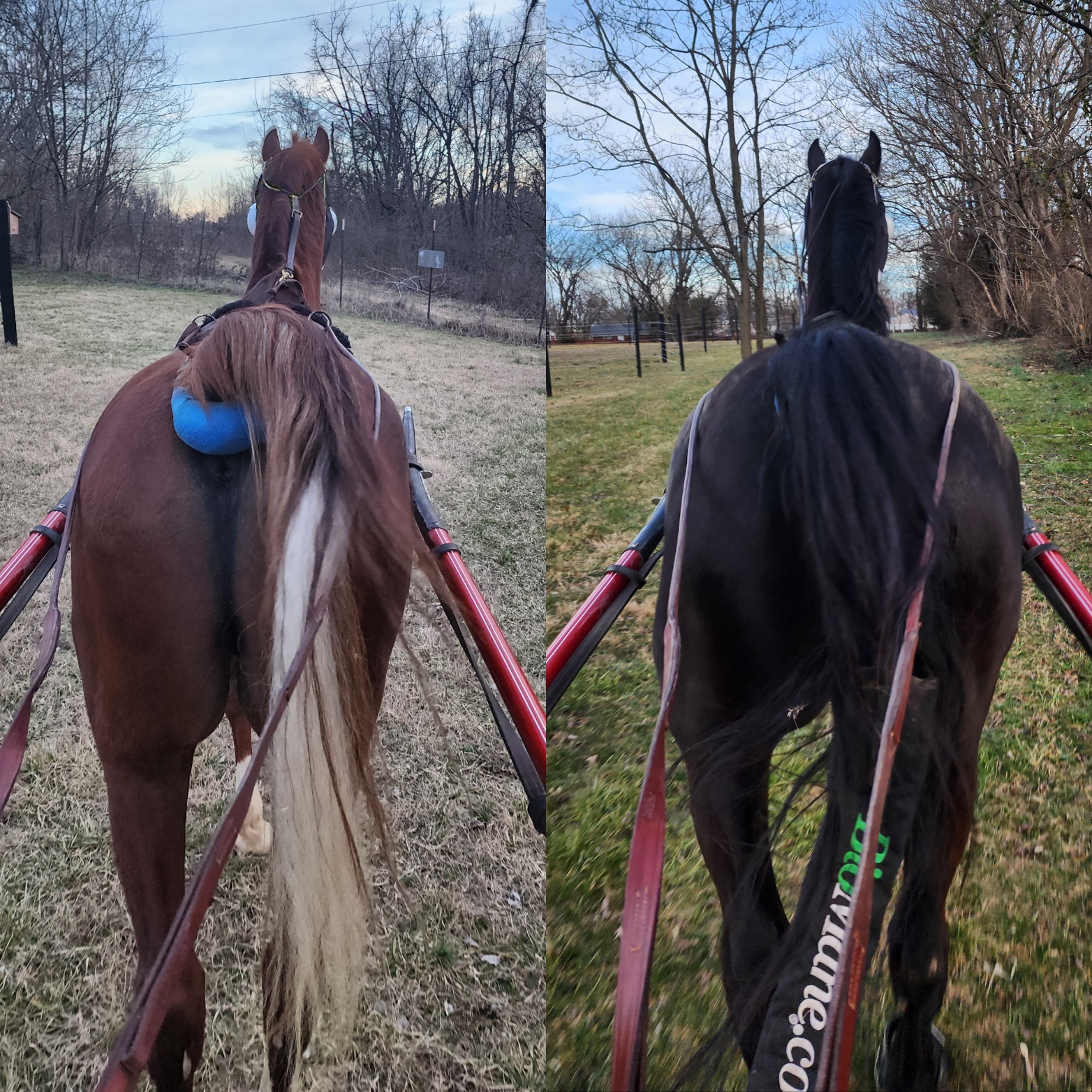
If you have access to a jog cart and you and your horses know how to drive, pulling a cart is excellent for fitness and maneuverability. Plus, it helps to save their backs from so much riding, which I like. When my horses are in full work, I do drive them multiple times a week. Fizz knows how to canter pulling a cart, and it’s really helpful for him to still practice it without the weight of a rider. At the end of last season, I started teaching Duke, but then show season ended and they were turned out so I guess I’ll pick back up when we go back to work this year! My horses do prefer less riding sessions and more of other work, so I try to stick to their rules so that they are also enjoying our sessions. Fizz in particular gets really angry if all you do is ride. Duke is less particular, and will accept more days riding, but not until he’s been fully reminded of everything he knows via lunging, lining, and driving otherwise he will make your life a living hell.

Overall, I like to give them at least 60 days of consistent work to get back “in shape” before taking them to a show. Consistent work meaning 4-6 days a week. Now, sometimes this is possible and sometimes not, but that’s my goal.

Dental Day!

Most people don’t realize, horses need dentists too.  Their teeth never stop growing, and the way they eat causes their teeth to develop jagged edges and different issues, making bridling and riding them painful if it’s not taken care of.  It also makes chewing difficult if the teeth get really bad.  Horses with bad teeth will not be able to chew well and they can lose food out of their mouths, causing them and their owners to have to work much harder to get the amount of nutrients needed to maintain a healthy weight.

We wanted our guy to be pain free, and have no excuses to be angry in the bridle or develop any weird issues due to trying to compensate for his mouth hurting.  So, we had a dentist come and float his teeth.  It’s called floating, but it’s essentially filing down all the jagged edges where the teeth are smooth and even inside the mouth.  Equine dentists also remove teeth that are troublesome.  Fiz did not need any teeth removed, but his teeth were pretty sharp.  Dr Adrian Robertson of Bannon Woods Equine came and floated teeth for us. Here she is with her assistant, working on Fiz! Fiz thanks her for his smooth, pain free mouth and so do we!

1265968_10151833024519444_1836620861_o