LONG post alert, so if you’ve wound up here prepare yourselves. If you’re not willing to stay a bit, please pass on by to other content!! If you’re invested enough to read this whole thing, bless you!
I have dreamed of having horses at home since I was a little girl begging my parents to house a horse on their little 3/4 acre lot as a 6 year old. While that dream never came to fruition, here I am a 38 year old “little girl” a week away from my childhood dreams coming true. I have literally put blood, sweat, and tears (plus some, ok lots, of swear words) into this place for good measure. It’s been a process, and I have to say building outbuildings on this property has been one of the most trying “adventures” of my life. I have laughed, I have cried, I have cursed (a LOT). I have juggled obtaining permits, hiring contractors, contractors not showing up, having major delays, getting inspections, doing physical building, making hundred of phone calls, and trying to keep my husband from divorcing me over this whole process (I kid, I kid) but really… it’s been crazy to say the least. It has not been easy by any stretch of the imagination. But I do think it will be worth it.
So lets talk about the emotional overload that is going through my head right now as someone who has never had horses at home. This is a subject so many horse people experience and yet, few really talk about it. I realize that being the primary caretaker of horses is work. I realize that it’s a labor of love. I am no stranger to doing hard things, but if I am being real and honest, it is a little bit terrifying to know I currently rely on someone else, who provides food, water, stall cleaning, training, and everything in between to my 2 horses… and soon all of those responsibilities will fall on me. Soon, 2 living breathing, very large and complicated animals will rely solely on me for their every need and overall wellbeing. In theory (as a horse person for the vast majority of my life) it sounds easy, but I’ve never been one to pull the wool over my own eyes.
I will have to procure hay, grain, and bedding and make sure it’s constantly available. I will have to clean stalls. I will have to make sure they are fed and watered. I will have to schedule vet appointments, farrier care, and any other care needed. I will have to make sure broken things are fixed and that every environment the horses are in is the safest it can be. Ya’ll, do I sound crazy for thinking those will be the EASY things? I have to WORK these beasts, continue their education, make sure they are upstanding citizens of the equine world. Basically ALONE. I’d be lying if I didn’t feel a little overwhelmed thinking about that part.
Back when I was working Fizz as a new AOT, I LOVED every second of the planning but lets be honest. I had zero idea what I was actually doing as a “trainer” and I flew by the seat of my pants most days. Looking back, I thank God every day that I ended up with such a smart, intuitive, and TOLERANT animal. That said, I feel like I have grown and I have learned a lot since 2013, and myself and both boys are better off for it. I have gained friends in this industry who have a wealth of knowledge that I have been able to tap into. I have people I can turn to for help now that I didn’t have back in 2013. How lucky am I? How lucky are my horses?
So lets talk about fears as the complete vulnerability of a “new” horse parent exposing everything for the world to see is something I have not run across. I’m not sure if people just don’t talk about this publicly or if I am that crazy overthinker who can’t stop “What Iffing” things to death. I’ve been riding and showing for a long time and I have cared for other people’s horses in the past. My first year of college was spent taking care of a farm of Friesians and Andalusians. But they were not on my property and I did morning feeding and stalls, and afternoon riding. I was not their one and only sole caretaker. I am not exactly a “new” horse owner, but being “new” to caring for them 100% of the time still comes with some real fears.
Fears about training 2 horses as an AOT, and doing it basically alone:
- What if they regress with an amateur “trainer”?
- What if I fall off and they get loose?
- What if I can’t get them hooked to the cart for exercise?
- What if there is an accident?
- What if I have problems I can’t figure out?
- What if I can’t work them enough?
- What if I don’t do the right things? Or do the right things, the wrong way?
- What if I get hurt and can’t exercise them?
Fears about keeping horses:
- What if they get injured?
- What if I don’t notice if something is wrong?
- What if I can’t get what they need (hay shortage, etc)
- What if I can’t be here?
- What about vacations?
- What about emergencies?
- What about holidays? (4th of July and massive fireworks being shot off for weeks on end comes to mind)
- What if I can’t get them calm?
- What if I can’t get a vet here for emergencies?
These are things I can only think of off the top of my head as things I’ve thought about previously and had concerns about. However, as an overthinker, a planner, and a “hope for the best, prepare for the worst” kind of person I have taken steps to prepare for most of these and ease my mind to the best extent that I can. Some things will just have to fall into place after the horses are here, we have a routine, and I see that my incompetence isn’t actually as bad as it is in my head a lot of the time. I mean honestly I don’t give myself enough credit. Not to toot my own horn, but I am stubborn. I am tough. I am resilient. I do not give up and I do not lay down and sulk in my own deficiencies. I get up and I research and I ask questions and I strive to do better every day. In my opinion, there is no other option when such smart, also resilient, and talented creatures are relying on me to not only survive, but to thrive. So, lets go through the list again, this time with some answers.
- What if they regress with an amateur “trainer”?
- Keep doing things you know work
- Have resources and don’t be too proud to contact them
- Be humble enough to own your mistakes and do better next time
- Don’t beat yourself up. Most horses are resilient and forgiving.
- What if I fall off and they get loose?
- Put up barriers on the property to contain them as best possible
- Duh, ride better, don’t fall off (ha!)
- What if I can’t get them hooked to the cart for exercise?
- Teach them to stand quietly until you ask them to move
- Ground work is just as important as other work
- What if there is an accident?
- Accidents happen, have a plan in advance
- First Aid kit (horse and human)
- Vet #
- What if I have problems I can’t figure out?
- Again, don’t be too proud to ask for help or bounce ideas off someone else.
- Have a network
- What if I can’t work them enough?
- You can only do what you can, and it will have to be enough
- Set your priorities and make a clear, easy to follow schedule ahead of time
- yes it requires thought, but it’s important so DO IT
- What if I don’t do the right things? Or do the right things, the wrong way?
- If something isn’t working, change it
- Try new things. Everything great was once just an idea.
- Ask someone to watch you, give you tips or correct you
- LISTEN when someone corrects you
- What if I get hurt and can’t exercise them?
- Then you ask for help. Remember your circle and keep them close. Support them on their journey, and offer help when they need it and they will, (should) support you too.
- Otherwise, have (for us: create) a turnout area and let them be horses!! They may not make training progress, but they’ll survive and be happy.
- If turnout (at home) isn’t possible, arrange for alternative care off property.
- What if they get injured?
- Keep vet information handy
- Read up and have a good base knowledge of basic care for wounds, etc
- What if I don’t notice if something is wrong?
- know you can’t be there 100% of the time
- make sure you know warning signs for common problems
- know your horses “good” vitals and keep what you can documented
- Temperature (Average horse should be between 99-101F)
- Heart Rate (Average should be 36-40 beats per minute)
- Respirations (Average should be 8-15 breaths per minute)
- Gut sounds (A mixture of grumbles, tinkling and roars. There is no rhythm but you should hear a sound every few seconds)
- Capillary refill (should be 2 seconds or less)
- Hydration (If you pinch your horse’s skin it should return to lying flat within 1-2 seconds. The longer the skin stays pinched up before flattening, the more dehydrated the horse is.)
- What if I can’t get what they need (hay shortage, etc)
- PLAN AHEAD
- Have a standard supplier
- Have a backup supplier
- What if I can’t be here?
- Have a backup plan and arrange alternative care as early as possible
- What about vacations?
- Plan early, book a house sitter or arrange to take your horses off site as soon as you set dates
- What about emergencies?
- Keep all emergency contacts in an easily accessible location
- Veterinarian (all contact information including emergency numbers)
- Farrier
- Insurance Agency (If horse is insured) to include their 24 hour line
- details about insurance coverage
- Keep all emergency contacts in an easily accessible location
- What about holidays? (4th of July and massive fireworks being shot off for weeks on end comes to mind)
- Discuss with Veterinarian and have a plan IN ADVANCE (medication, ear plugs, stall fans, music, whatever it is)
- What if I can’t get them calm?
- Don’t doubt your abilities to handle a crisis
- But for real, also don’t live without some reinforcements.
- Make sure you have something from the Vet (Ace, etc) or otherwise (calming cookies, calm n cool paste, etc) and you know how to administer it incase you need to.
- What if I can’t get a vet here for emergencies?
- Get annual exam done so you are on file with local veterinarian and eligible for emergency/after hour calls
- There is always the option to trailer to an emergency clinic
- Again, know basic care and make sure you have basic items on hand to use/administer if needed and know what is appropriate for most basic situations.
So there you have it, me in all my uncomfortable vulnerability. Ew. Anyway, I wonder if any more experienced horse keepers have anything to add here? Words of advice, encouragement, knowledge to share, etc. I’m sure there is a lot I am not covering or not thinking about and I’m sure so many other things will pop up over time. I haven’t really talked extensively about this among my small circle, but I am sure if there is anything I need they will have my back.
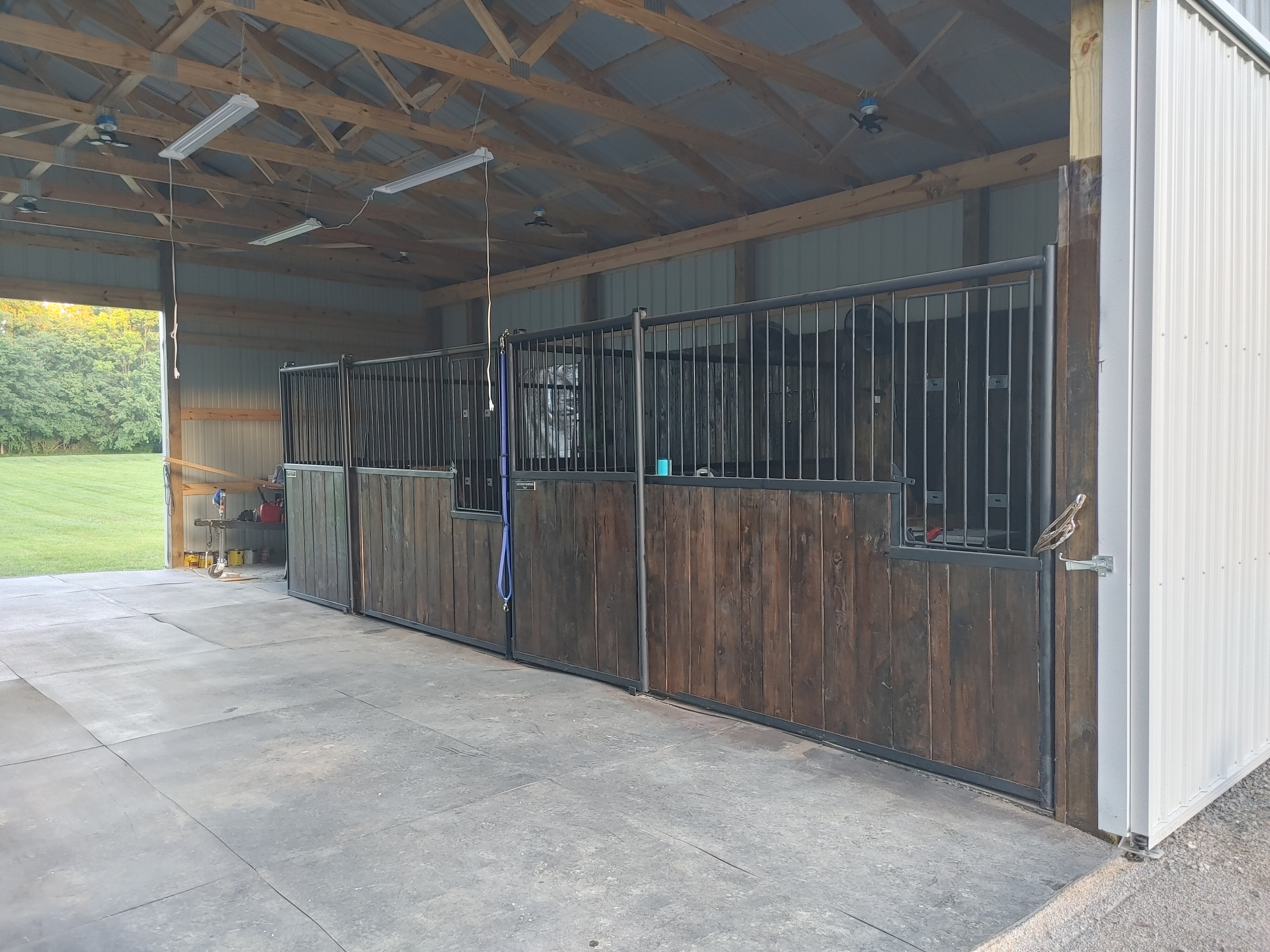
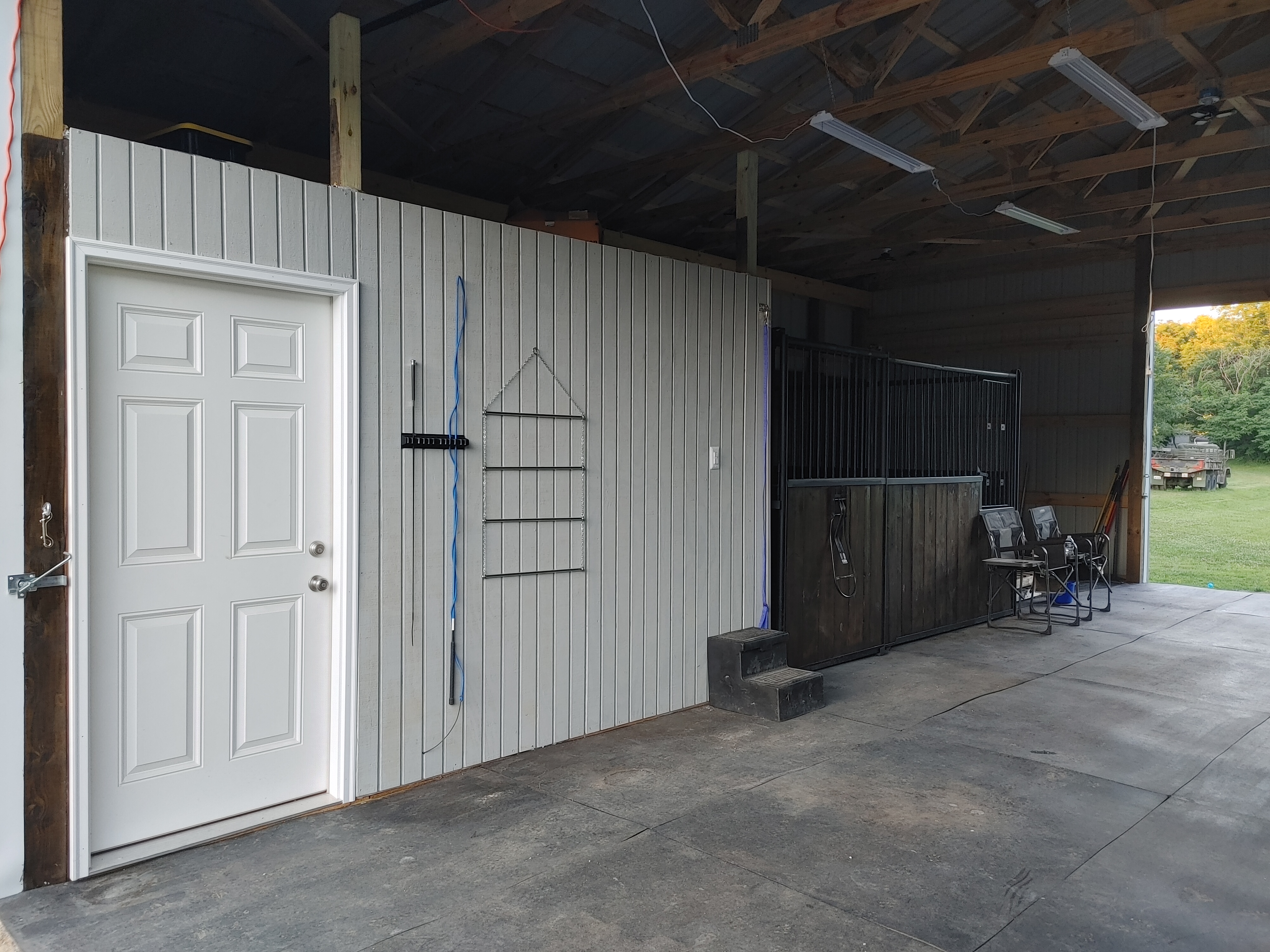
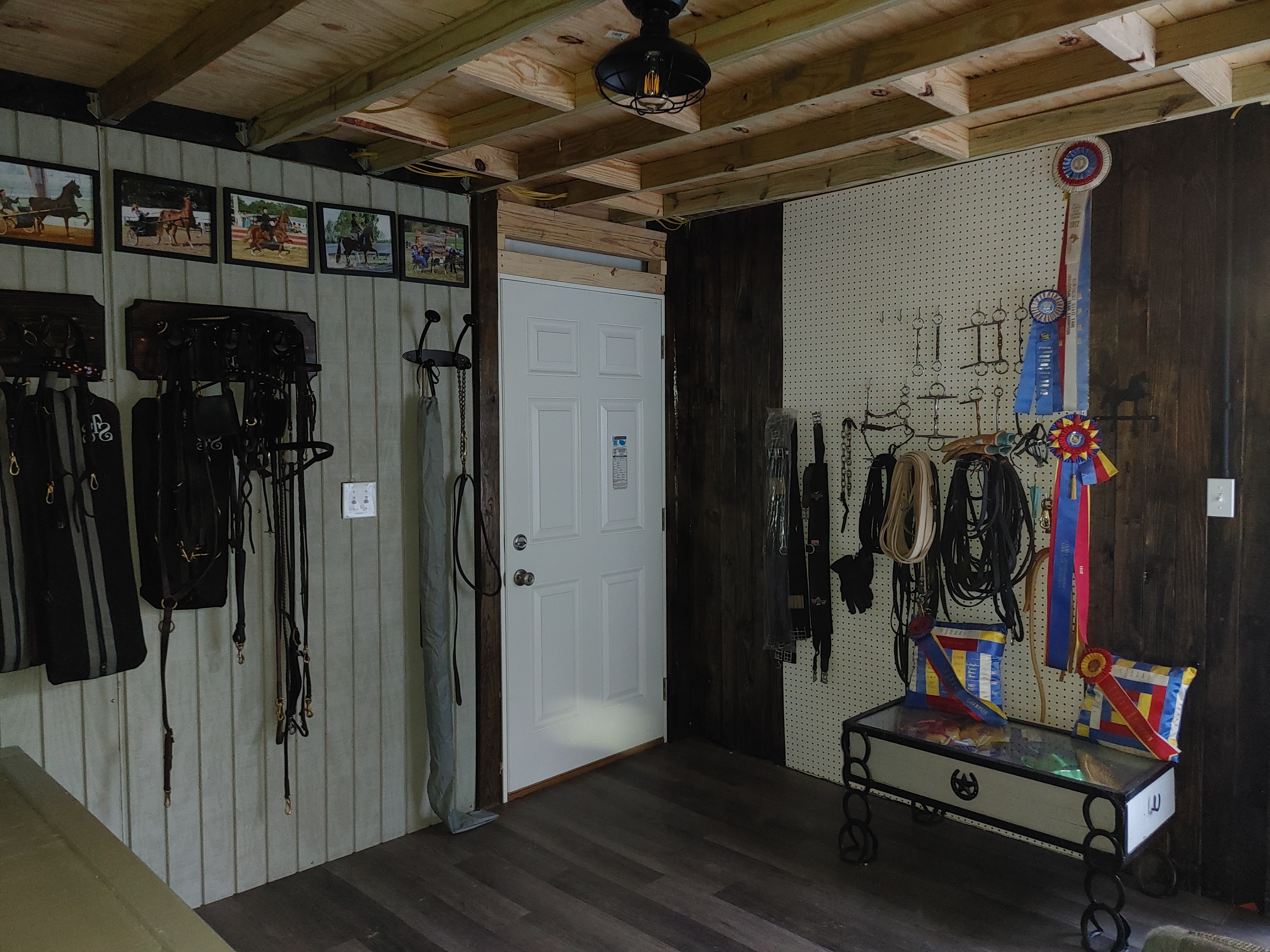
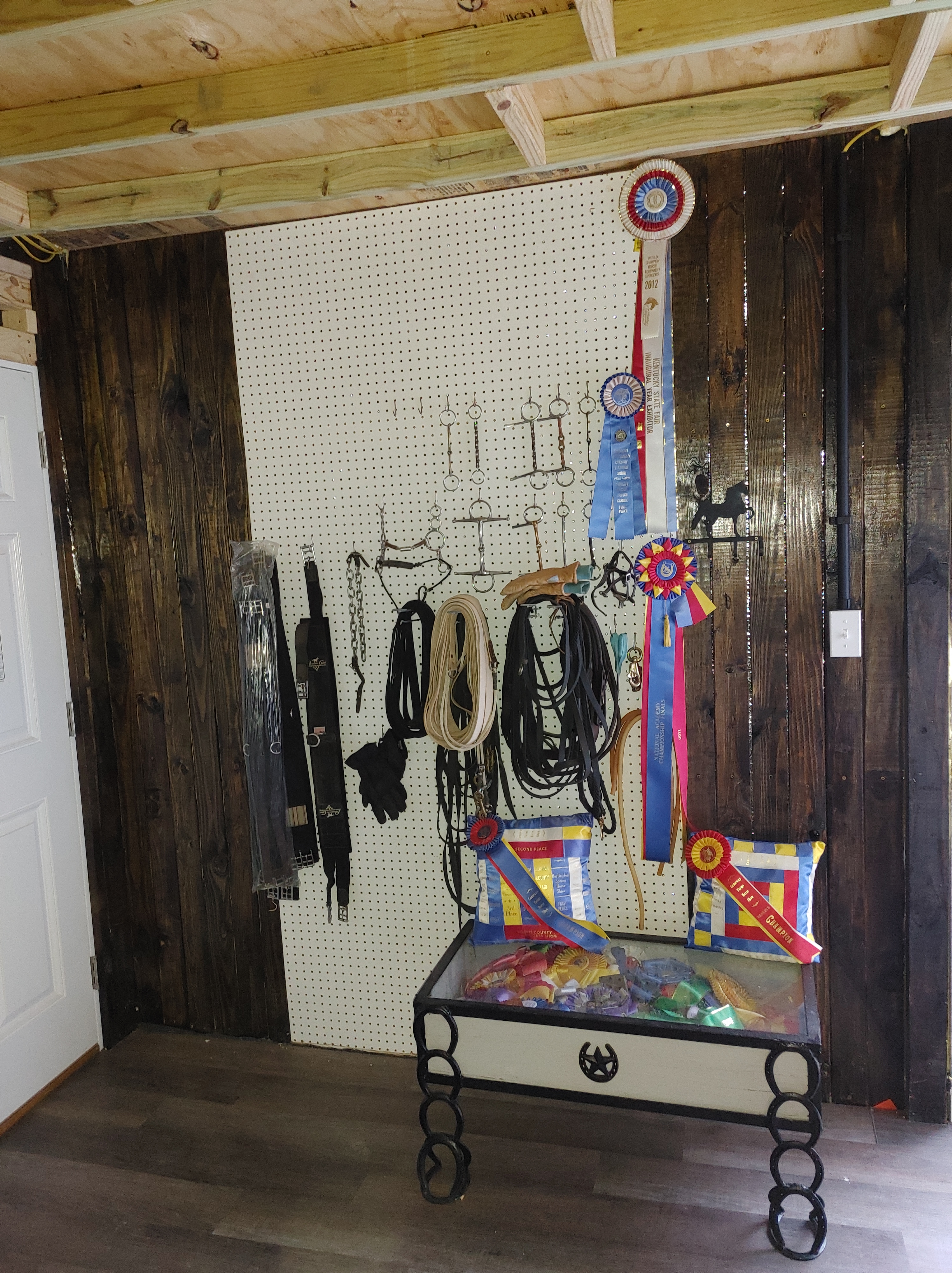
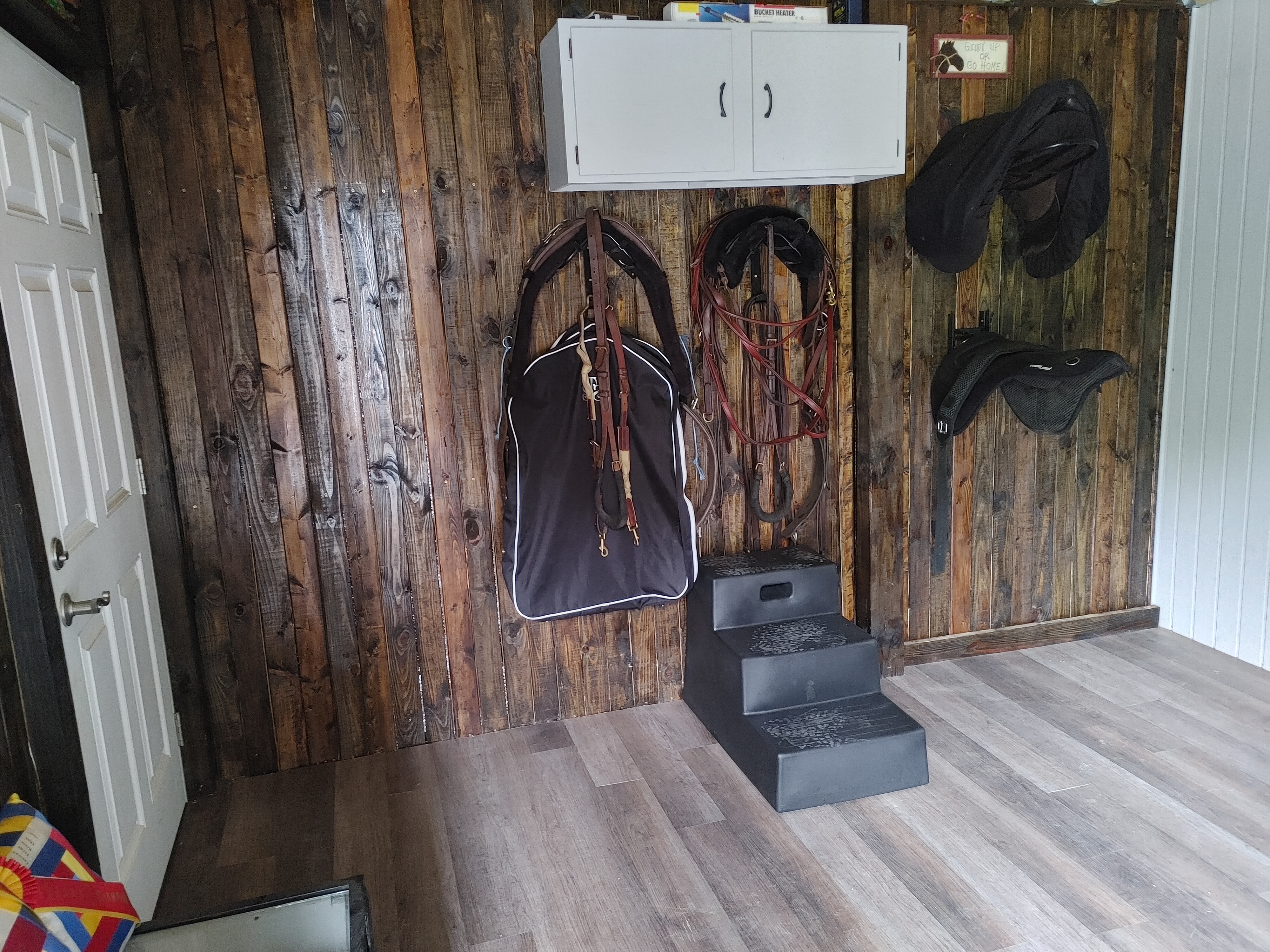
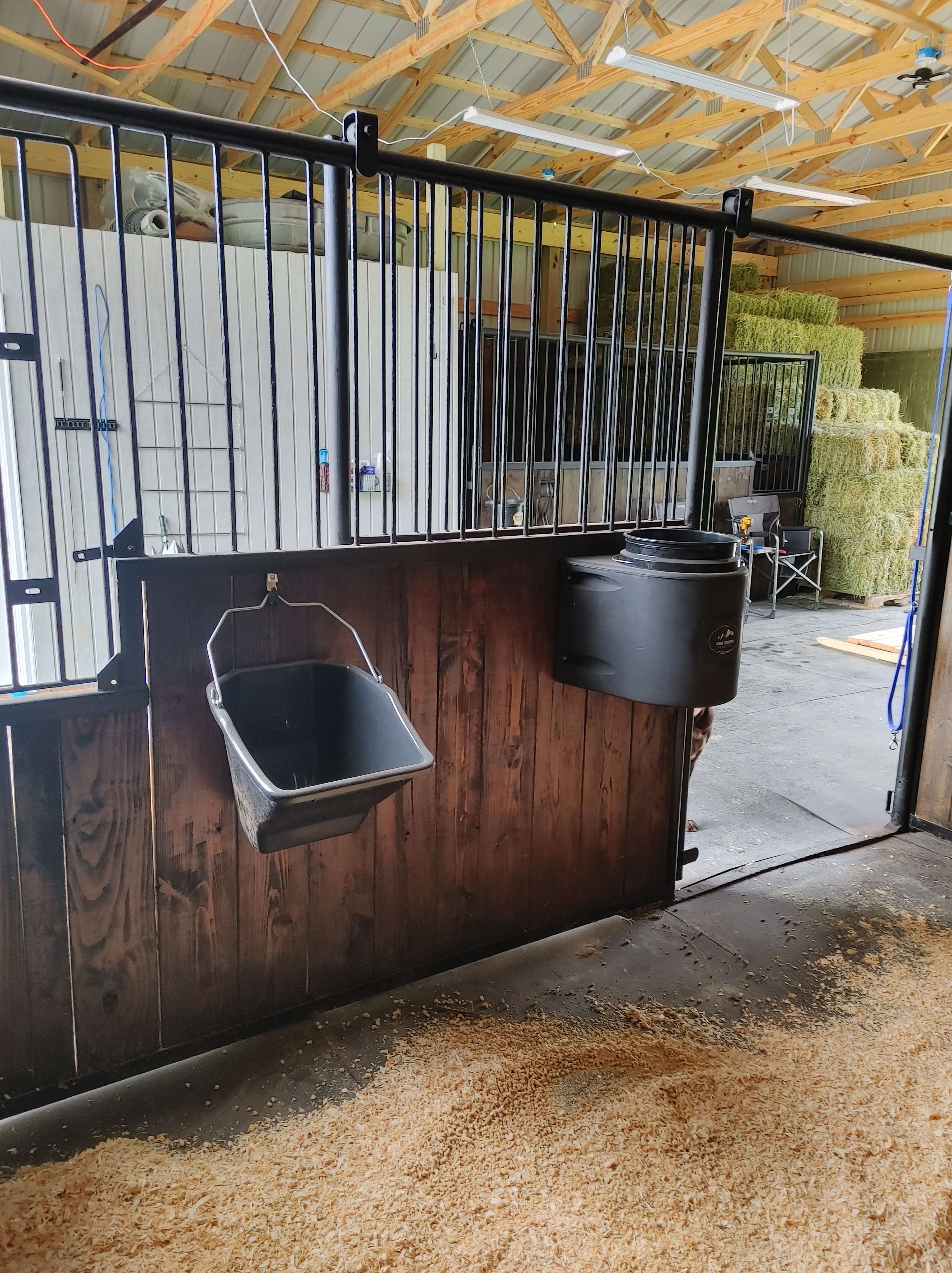
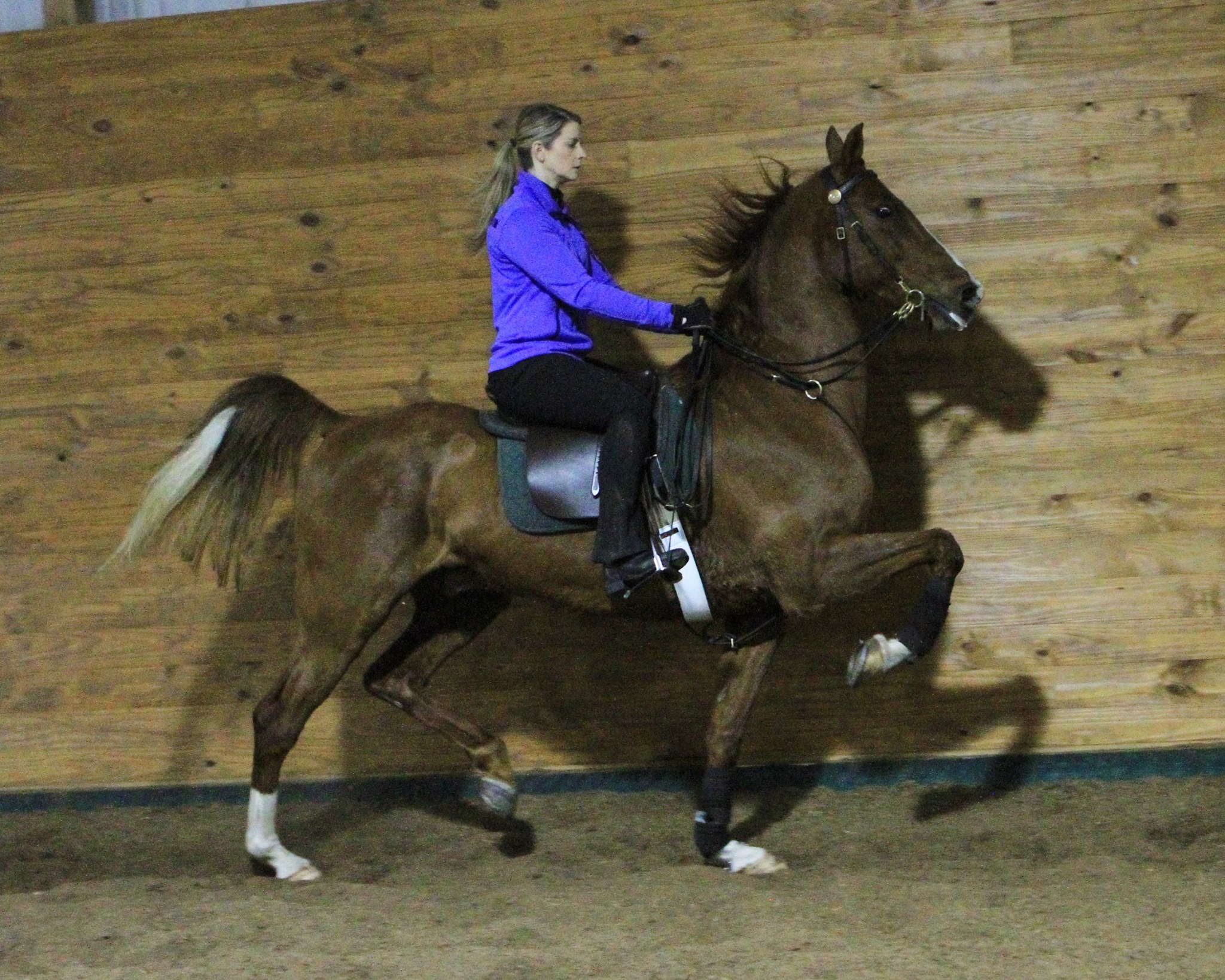
Overall, I am excited beyond words and I can’t wait to have my boys home with me. So, if you’ve made it through this entire post, congratulations for your exceptional patience, haha, and enjoy these photos! I will make a post eventually on the barn build and how much of an experience the whole process has been! Maybe after I’m happily caring for my horses and the frustration from building has gone to the wayside and I can recollect the process without so many swear words.






 Twisted Sisters Saddlebreds